Shepherd Eye Center
Pediatric Eye Care in Las Vegas & Henderson
Shepherd Eye Center offers pediatric ophthalmology care for conditions like amblyopia, strabismus, and refractive error in a kid-friendly setting designed to put young patients at ease.
- Board-certified, fellowship-trained pediatric ophthalmology care
- Kid-friendly offices with toys, movies, and games to ease exam anxiety
- Comprehensive care from infancy through school age
Conditions
Common Eye Problems in Children
These are among the most common vision issues our pediatric ophthalmologist treats.
Refractive Error
Nearsightedness, farsightedness, and astigmatism don't always require glasses or contacts; a comprehensive exam helps determine what your child actually needs.
Amblyopia ("Lazy Eye")
The most common cause of potentially irreversible vision loss in children, occurring when one or both eyes send a blurred image to the brain
Strabismus ("Crossed Eyes")
An eye misalignment where one or both eyes turn in, out, or wander, often due to weak eye muscles or significant farsightedness.
Pediatric Cataracts
Though less common than other pediatric eye conditions, cataracts can occur in infants and young children and may require surgical treatment.
Signs Worth Watching For: Since young children can’t always describe vision problems, parents are often the first to notice something’s off. Holding a book too close, trouble reading the board at school, squinting, complaining of blurry eyesight, or closing or covering one eye to see are all worth mentioning at your child’s next exam.
About Our Care
What Is Pediatric Eye Care?
Children’s eyes are still developing, which makes early screening especially important. Your pediatrician should examine your child’s eyes during their first year of life, and every child should have a comprehensive eye exam before starting school, sooner if any vision problems appear. Early diagnosis and treatment of childhood eye disease can help prevent vision problems later in life.
Shepherd Eye Center’s pediatric ophthalmology care is led by a board-certified, fellowship-trained specialist dedicated to the unique needs of growing eyes.
Your Options
Choose the Right Treatment Path
Treatment depends on your child's specific diagnosis and how it's affecting their vision.
Non-Surgical Treatment
Glasses, Patching & Drops
- Glasses to correct refractive error, when indicated
- Eye patches to strengthen a weaker eye in amblyopia
- Eye drops as an alternative to patching in some cases
- Frames available on-site through our Optical Shop
Surgical Treatment
Strabismus & Anterior Segment Surgery
- Eye muscle surgery to correct strabismus in both children and adults
- Pediatric anterior segment, eyelid, orbit, and nasolacrimal duct procedures, including cataract surgery when needed
- Reserved for cases where non-surgical treatment isn't sufficient
Our pediatric ophthalmologist will recommend the least invasive treatment that can still protect your child's developing vision.
The Process
Your Child's Eye Care Journey
From your child's first exam to long-term monitoring, here's what to expect.
First-Year Screening
- Your pediatrician examines your child's eyes during their first year
- Referral to a pediatric ophthalmologist if any concerns arise
- Sets the baseline for future eye health
Comprehensive Exam
- Recommended before your child starts school, sooner if problems appear
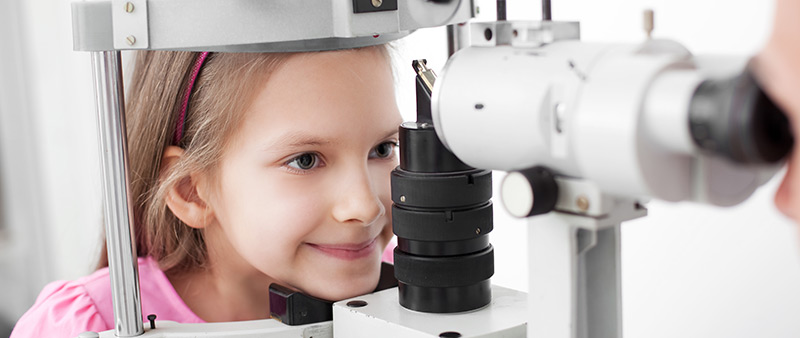
- Vision and ocular alignment assessed in a kid-friendly setting
- Toys, cartoons, and silly lights and sounds used to keep younger children engaged
Treatment
- Glasses prescribed and fitted through our on-site Optical Shop, if needed
- Patching or eye drops for amblyopia
- Eye muscle or cataract surgery for more advanced cases
Ongoing Monitoring
- Follow-up visits to track treatment progress
- Adjustments made as your child's eyes continue developing
- Early treatment helps prevent vision problems later in life
Results
Why Early Detection Matters
A child's vision is still developing, which makes early screening one of the most effective tools available.
Preventing Irreversible Vision Loss
Amblyopia is the most common cause of potentially irreversible vision loss in children, but it's highly treatable when caught early.
A Comfortable Experience
Kid-friendly offices with toys, movies, and games help make exams less intimidating for young patients.
Specialized Expertise
Board-certified, fellowship-trained pediatric ophthalmology care means your child's treatment plan is guided by specialized training, not general practice.
Full Spectrum of Care
From glasses and patching to complex infant cataract surgery, treatment is matched to your child's specific needs.
What to Expect as Treatment Begins
- Patching or glasses may take some adjustment before your child fully cooperates, especially at first
- Consistency at home, wearing the patch or using drops as directed, plays a big role in how well treatment works
- If eye muscle surgery is recommended, most children return to normal activities within a few days
- Follow-up visits track progress and allow adjustments as your child's eyes continue developing
- Vision improvement can take time, since treatment works alongside your child's ongoing visual development
Informed Care
Safety & Risk Considerations
A few things worth knowing as you consider your child's treatment options.
What to Expect With Treatment
- Patching or glasses may take some adjustment before a child fully cooperates
- Eye muscle surgery carries the typical considerations of any minor surgical procedure
- Cataract surgery in infants requires specialized pediatric surgical expertise
When to Seek Care Sooner
- Don't wait for a school-entry exam if you notice signs of a problem earlier
- Premature and low birth weight infants face a higher risk of amblyopia
- Early treatment is more effective the sooner it begins, since a child's visual system is still developing
Our Team
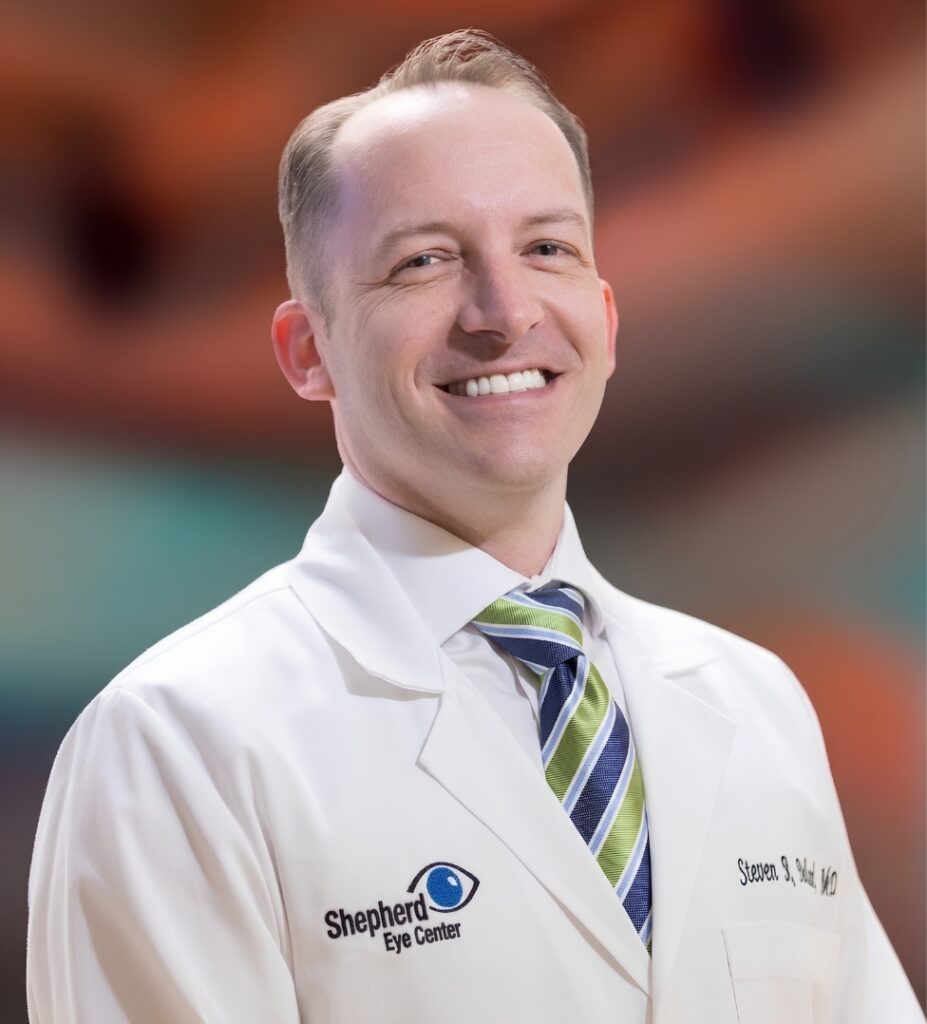
Meet Our Pediatrics Specialists
Our mission is to provide the highest quality eye care for you and your family, with an emphasis on personalized service.
Pediatrics
Frequently Asked Questions
What is amblyopia, or "lazy eye"?
Amblyopia is the most common cause of potentially irreversible vision loss in children. It happens when one or both eyes send a blurred image to the brain, preventing normal vision from developing. Treatment can include glasses, patching, or eye drops.
What is strabismus?
Strabismus, or crossed or drifting eyes, occurs when the eyes aren’t aligned in one or more directions of gaze. The most common forms are esotropia (turning inward) and exotropia (turning outward). Treatment can include glasses, patching, or eye muscle surgery.
Does my child need glasses?
Not necessarily. Refractive errors like nearsightedness, farsightedness, and astigmatism don’t always require correction. A comprehensive exam and a discussion with the doctor will determine whether glasses or contacts are the right call.
When should my child have their first eye exam?
Your pediatrician should check your child’s eyes during their first year of life, and every child should have a comprehensive eye exam before starting school, sooner if any vision problems appear.
Does Shepherd Eye Center treat pediatric cataracts?
Yes. Our pediatric ophthalmology specialty includes pediatric anterior segment procedures, a category that covers pediatric cataract surgery, alongside eyelid, orbit, and nasolacrimal duct procedures.
What makes Shepherd Eye Center's pediatric exams different?
Our Southwest and Green Valley offices are set up specifically for kids, with toys, cartoons, books, movies, and video games on hand. Our doctors also use silly lights and sounds to help keep younger children focused and engaged during the exam.
Ready to Get Started?
Schedule A Consultation
If you're ready to experience exceptional eye care, contact us today to schedule your evaluation at any of our Southern Nevada locations.