
Shepherd Eye Center
Eye Exams & General Ophthalmology in Las Vegas
At Shepherd Eye Center, our comprehensive eye exams go beyond basic vision testing to protect your sight for life. With five convenient Las Vegas locations and decades of combined experience, our board-certified ophthalmologists use advanced diagnostic technology to detect eye diseases in their earliest stages, often before symptoms appear.
- Early detection of glaucoma, macular degeneration, and other sight-threatening conditions
- Advanced imaging and diagnostic equipment for an accurate assessment of your eye health
- Board-certified ophthalmologists and optometrists with specialized training in comprehensive eye care
- 5 convenient locations throughout Las Vegas and Henderson
Symptoms
Signs You May Need a Medical Eye Exam
These symptoms can point to a condition that needs an ophthalmologist's diagnosis and treatment.
Eye Pain or Irritation
Recurrent pain in or around the eyes, or red-rimmed, encrusted, or swollen eyelids..
Dry or Watery Eyes
Dry eyes with itching or burning, or excess tearing.
Spots, Dark Areas, or Distortion
Seeing spots or ghost-like images, a dark spot at the center of your vision, or straight lines that look wavy or distorted.
Light Sensitivity or Vision Changes
Unusual sensitivity to light or glare, double vision, or a change in the color of your iris.
Call our office immediately at 702.731.2088 if you experience sudden loss of vision in one eye, sudden hazy or blurred vision, flashes of light or black spots in your field of vision, halos or rainbows around lights, a curtain-like blotting out of your vision, or loss of peripheral (side) vision.
About the Specialty
What is General Ophthalmology?
General ophthalmology covers the medical and surgical diagnosis and treatment of eye disease, for patients of all ages. This is distinct from a routine eye exam, which screens for common vision problems, and from optometry, which handles primary eye care like prescribing glasses and contacts; an ophthalmologist is a medical doctor trained to diagnose and treat conditions that affect the health of the eye itself, including performing surgery when it’s needed.
Our doctors diagnose and treat eye conditions including diabetic eye disease, macular degeneration, flashes and floaters, conjunctivitis, and pterygium, among others.

Conditions We Treat
Conditions We Diagnose & Treat
General ophthalmology covers conditions affecting both the inside and the surface of the eye.
Retinal & Systemic Conditions
Diabetic Eye Disease, Macular Degeneration & Floaters
- Diabetic retinopathy, a leading cause of blindness in people with untreated diabetes
- Macular degeneration, which affects central vision but typically spares peripheral vision
- Flashes and floaters, which can be a normal part of aging or a sign of a retinal tear
- Coordinated care with your family doctor or endocrinologist for diabetes-related eye disease
Surface & External Conditions
Conjunctivitis & Pterygium
- Conjunctivitis ("pink eye"), which can be bacterial, viral, or allergic
- Pterygium and pinguecula, growths on the eye's surface linked to sun, wind, and dry eye
- Treatment ranging from eye drops to surgical removal, depending on severity
- Monitoring for growths that don't yet require treatment
Our doctors will determine which condition is affecting your eyes and recommend treatment based on what they find.
The Process
Your Path to Diagnosis & Treatment
From evaluation to ongoing monitoring, here's what to expect.
Evaluation
- Dilated eye exam to examine the retina and optic nerve
- Additional imaging if a retinal or macular condition is suspected
- Review of symptoms and relevant health history, including diabetes
Diagnosis
- Identification of the specific condition affecting your eyes
- Determination of severity and whether treatment is needed now or monitoring is appropriate
- Discussion of findings and what they mean for your vision
Treatment
- Eye drops or ointment for conditions like conjunctivitis
- Monitoring or low-vision support for macular degeneration
- Referral to a retina specialist if a retinal tear is found
- Surgical removal considered for pterygium affecting vision or comfort
Ongoing Monitoring
- Annual dilated exams recommended for all diabetics
- Photo documentation to track slow-growing conditions like pterygium
- Continued coordination with your other doctors as needed
Our Team
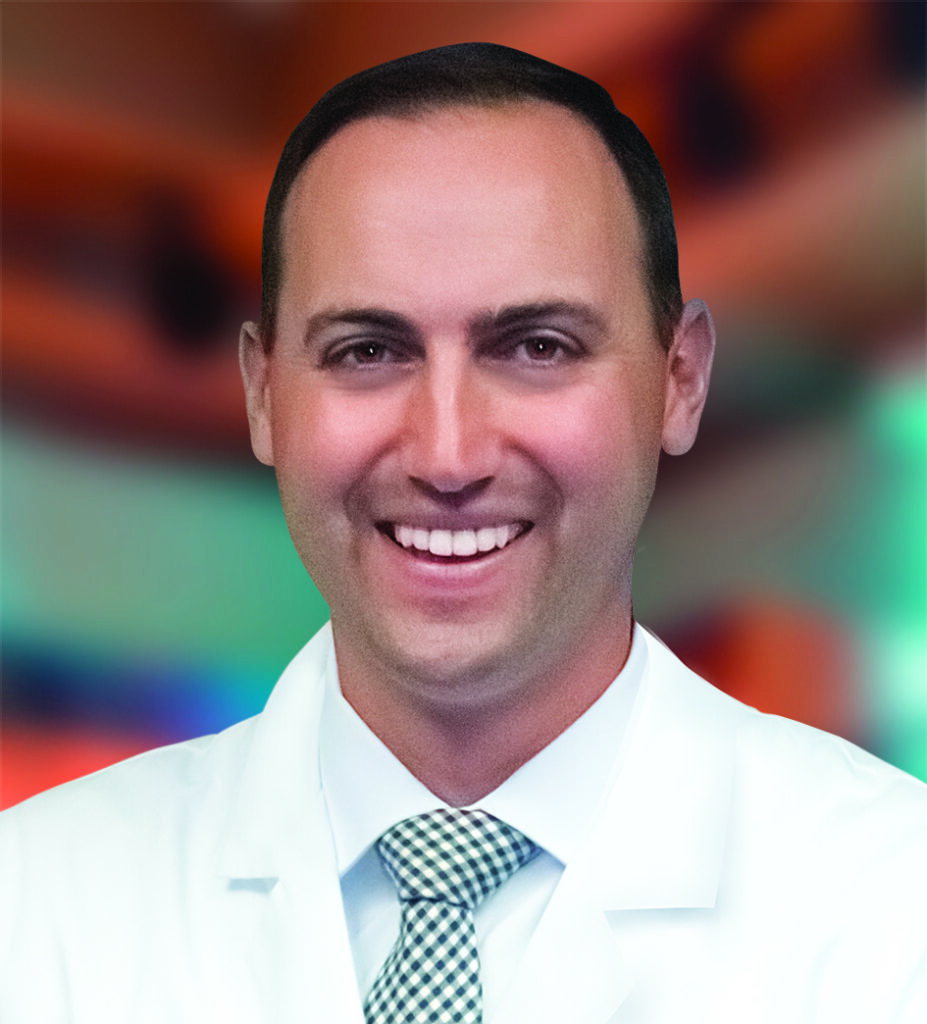
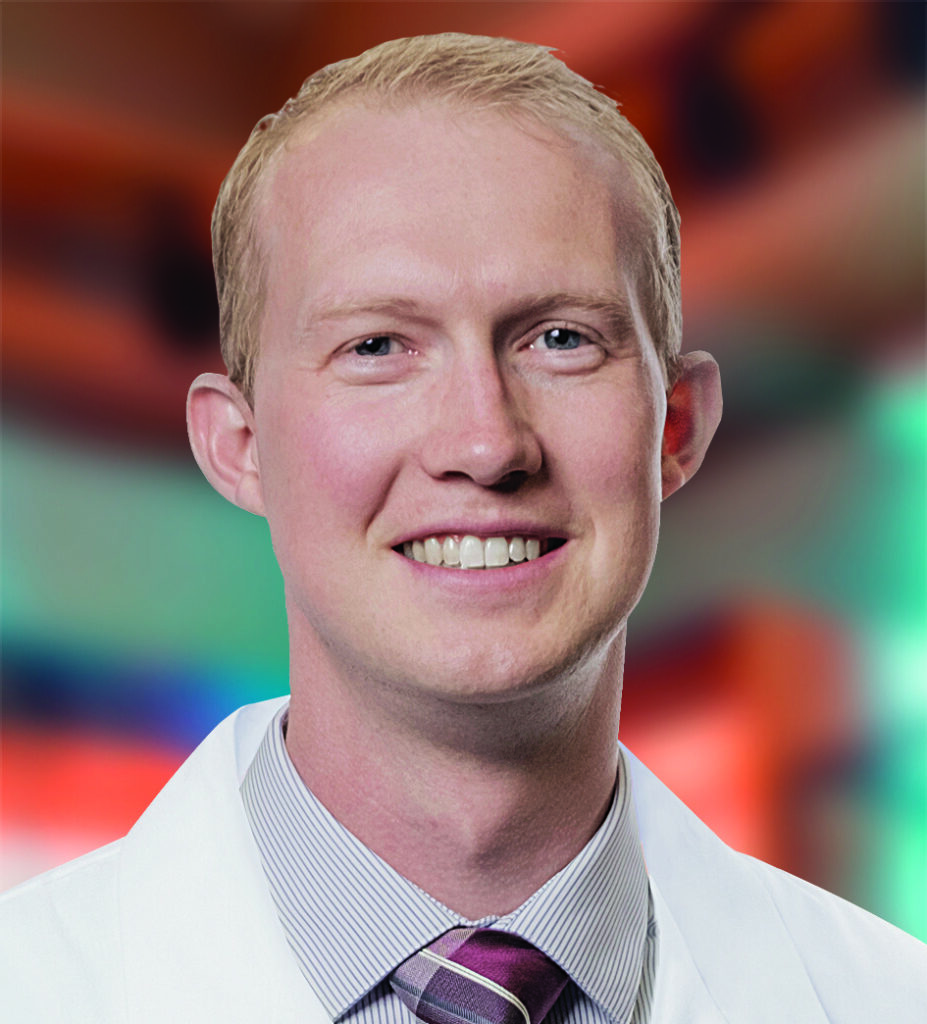
Meet Our General Ophthalmology Specialists
Our mission is to provide the highest quality eye care for you and your family, with an emphasis on personalized service.


General Ophthalmology
Frequently Asked Questions
What is diabetic retinopathy?
Diabetic retinopathy is damage to the blood vessels in the retina caused by diabetes. People with untreated diabetes face a significantly higher risk of blindness, which is why annual dilated eye exams are recommended for all diabetics.
What is macular degeneration, and will it cause total blindness?
Macular degeneration damages the macula, the part of the retina responsible for sharp, central vision, making tasks like reading or recognizing faces difficult. It typically doesn’t affect peripheral vision, so most patients retain useful side vision and can often continue favorite activities with the help of low-vision devices.
What causes floaters, and are they ever serious?
Floaters are tiny clumps of gel or cells in the vitreous, the clear fluid inside the eye, and often become more common with age as the vitreous gel changes. They’re usually harmless, but a sudden increase, especially if you’re over 45, can signal a retinal tear and should be evaluated right away.
What is conjunctivitis, and is it contagious?
Conjunctivitis, or “pink eye,” is swelling of the membrane covering the eye and inner eyelids, causing redness, discharge, or irritation. Bacterial and viral forms are both contagious, while allergic conjunctivitis is not; treatment depends on the cause, and viral conjunctivitis specifically doesn’t respond to antibiotics.
What's the difference between a pterygium and a pinguecula?
Both are growths on the eye’s surface linked to sun, wind, and dry eye. A pterygium is fleshy tissue that can extend onto the cornea and potentially affect vision, while a pinguecula is a yellowish patch or bump that typically stays confined to one area. Many cases need no treatment, though larger or irritated growths can be treated with drops or removed surgically.
When should I see an ophthalmologist right away rather than waiting for my next exam?
Sudden vision loss, a sudden increase in flashes or floaters, halos around lights, or a curtain-like loss of vision are all signs that call for same-day attention rather than waiting for a scheduled visit.
Ready to Get Started?
Schedule A Consultation
If you're ready to experience exceptional eye care, contact us today to schedule your evaluation at any of our Southern Nevada locations.