Shepherd Eye Center
Southern Nevada's Choice for Eye Care
Southern Nevada’s trusted name in eye care, Shepherd Eye Center offers everything from routine exams and eyewear to advanced treatment for cataracts, glaucoma, and refractive vision correction. Our board-certified specialists are here to help you see clearly at every stage of life.
A Practice Built to Be Different
In 1968, Shepherd Eye Center opened in Las Vegas, Nevada. Dr. John R. Shepherd pioneered new techniques and instrumentation that improved the way cataract surgery was performed around the world.
Today, Shepherd Eye Center has five office locations and is nationally-recognized for excellence and advancement in eye care and eye surgery. Shepherd Eye Center performs more cataract surgeries at its on-site surgery center than any other eye practice in the state of Nevada. Our team of trusted ophthalmologists and optometrists provides unparalleled vision care using the latest medical techniques, surgeries and the most sophisticated technology.
Our experienced team of ophthalmologists and eye doctors has extensive experience offering the most advanced and state-of-the-art technology available in the ophthalmology industry. Offering information, surgical procedures and treatment options based on your unique eye care needs is our specialty, and our doctors will work with you to identify your specific needs. Learn more about cataracts, glaucoma, LASIK, pediatric ophthalmology, cosmetics and more with the doctors at Shepherd Eye Center.
Our Services

Cataract Surgery
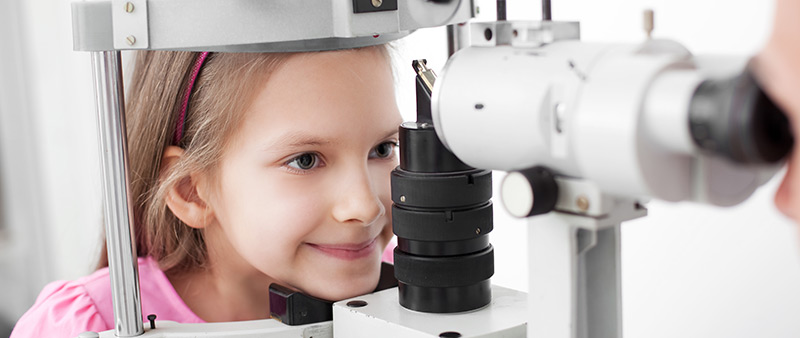
Pediatric Eye Care

Glaucoma Care

LASIK

Cornea Care

General Ophthalmology
Cosmetic Eyelid Services

Optical Shops
Conditions and Symptoms We Treat
Blurred Vision
Blurred vision can come from something as simple as nearsightedness or astigmatism, or it can be a sign of something more. Our doctors will find the cause and get you seeing clearly again.
Common Causes
Refractive error (nearsightedness, farsightedness), Cataracts, Dry eyes, Diabetic eye disease, Macular degeneration
When to Seek Care
See your eye doctor if blurred vision is new or getting worse, especially if it comes on suddenly.
Dry Eyes
Dry eye happens when your eyes don’t produce enough tears or your tears evaporate too quickly, leaving your eyes irritated and uncomfortable. We offer solutions ranging from simple lifestyle changes to advanced treatment for more severe cases.
Common Causes
Age-related changes, Screen use and reduced blinking, Environmental factors (wind, dry air), Medications, Autoimmune conditions
When to Seek Care
Artificial tears help most mild cases. See your doctor if symptoms are severe or don’t respond to over-the-counter drops.
Night Driving Vision Problems
Trouble seeing clearly at night, especially when driving, is a common complaint that can show up as glare, halos around headlights, or general blurriness after dark. In many cases, it points to an underlying issues with how your eyes focus or let light in.
Common Causes
Cataracts, refractive errors (nearsightedness or astigmatism), dry eye, age-related changes to the pupil, previous vision correction surgery.
When to Seek Care
If night driving has become stressful or unsafe, it’s worth having your eyes checked. A doctor can pinpoint the cause and recommend the right treatment to get you seeing clearly again after dark.
Halos
Halos are bright circles that surround a light source, like headlights, and tend to show up in dim or dark settings. Glare, on the other hand, is light that interferes with your vision and is more common during the day. Both can be a normal response to bright light, but they can also be a sign of a deeper issue with your eyes.
Common Causes
Cataracts, Glaucoma, Corneal swelling, Dry eyes, Refractive error
When to Seek Care
Schedule an eye exam to identify the underlying cause. Halos are often very treatable once the cause is found.
Astigmatism
Astigmatism is one of the most common refractive errors we see. It happens when the cornea or lens has an irregular curve instead of a smooth, even one, which causes light to focus unevenly and makes your vision blurry. Most cases can be corrected with eyeglasses, contact lenses, or vision correction surgery.
Common causes
Irregular cornea shape, Irregular lens shape, Can occur alongside nearsightedness or farsightedness
When to seek care
Astigmatism is very common and easily corrected with glasses, contact lenses, or laser vision correction.
Distance Vision Problems
Myopia, also known as nearsightedness, is one of the most common vision disorders and is usually diagnosed before age 20. It affects your distance vision, meaning nearby objects look clear while things farther away, like road signs or store aisle markers, appear blurry.
Common causes
Myopia (nearsightedness), Cataracts, Retinal conditions
When to seek care
An updated prescription or vision correction procedure can resolve most distance vision problems.
Trouble Reading
Trouble seeing objects clearly up close can be caused by a few different conditions. One of the most common is hyperopia, or farsightedness, which happens when a flat cornea or short eyeball causes light to focus behind the retina instead of directly on it.
Common causes
Presbyopia (age-related near vision loss), Farsightedness, Eye strain, Uncorrected astigmatism
When to seek care
Reading glasses, progressive lenses, or near vision correction procedures can restore comfortable reading vision.
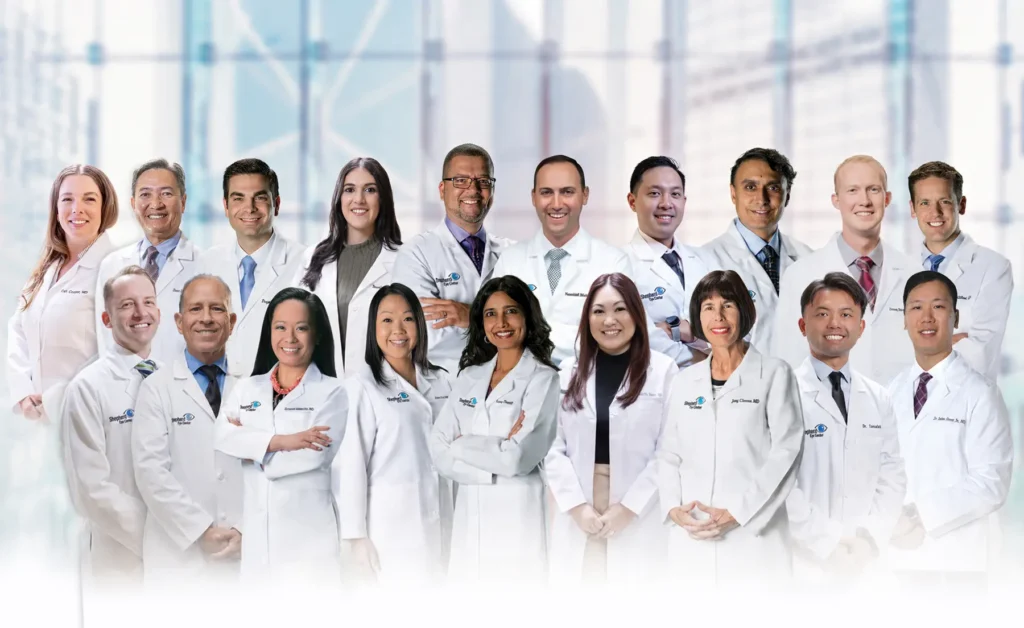
Our Providers
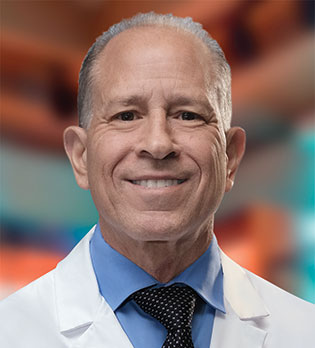
Aaron Mancuso, O.D.

Alesha Johnson, O.D.

Angelique Dela Victoria, O.D.
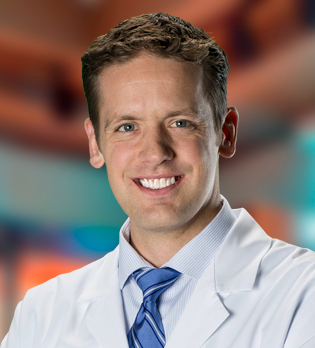
Brian D. Alder, M.D.

Brian Lee, O.D., M.P.H.
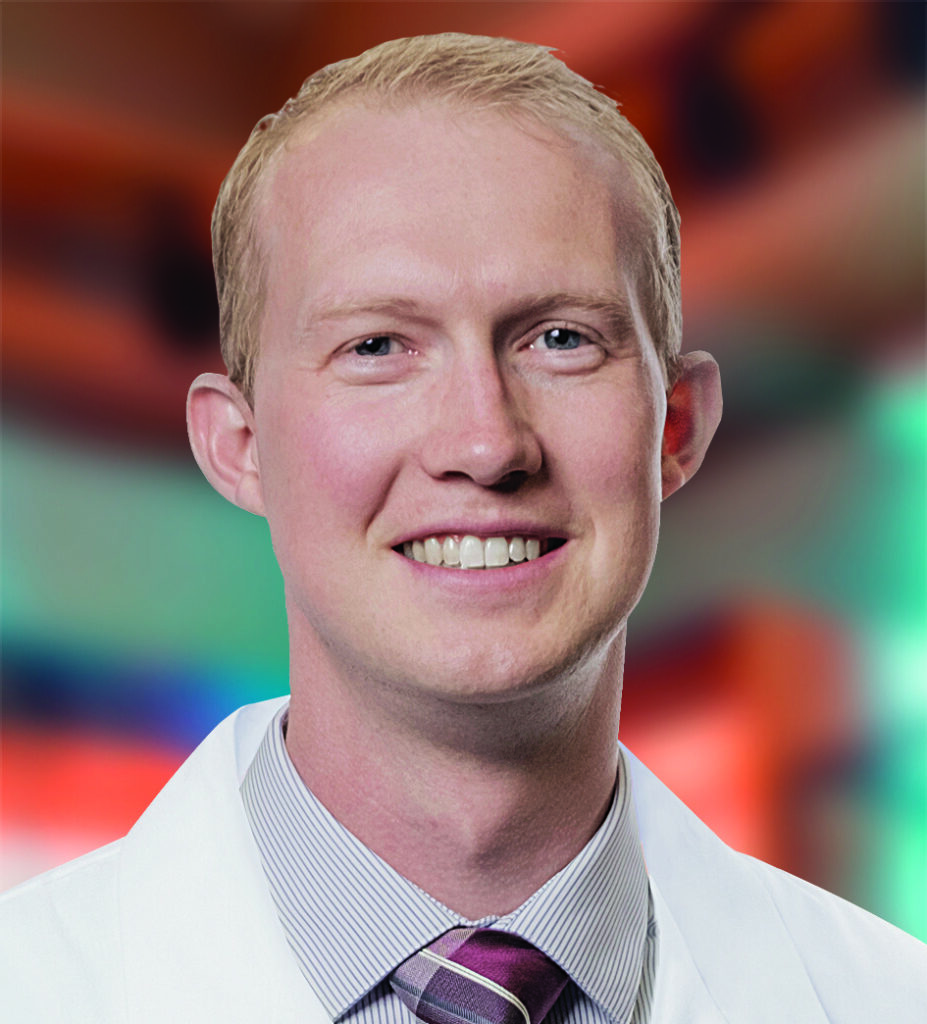
David Rosen, M.D.

Jacqueline Anne Julio, O.D., F.A.A.O.

James Andrew Ho, O.D.

Janet Lee, M.D.
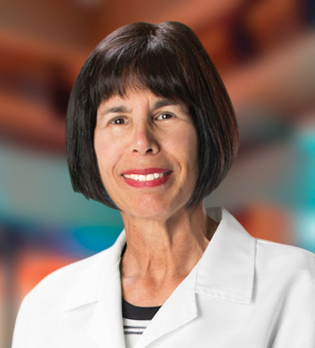
Joyce H. Cassen, M.D.
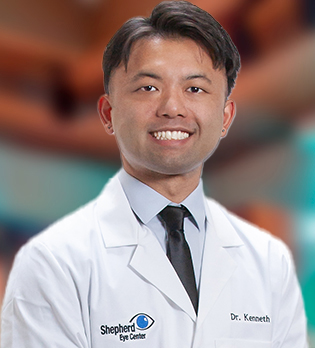
Kenneth Dang, O.D.

Lam H. Le, M.D.
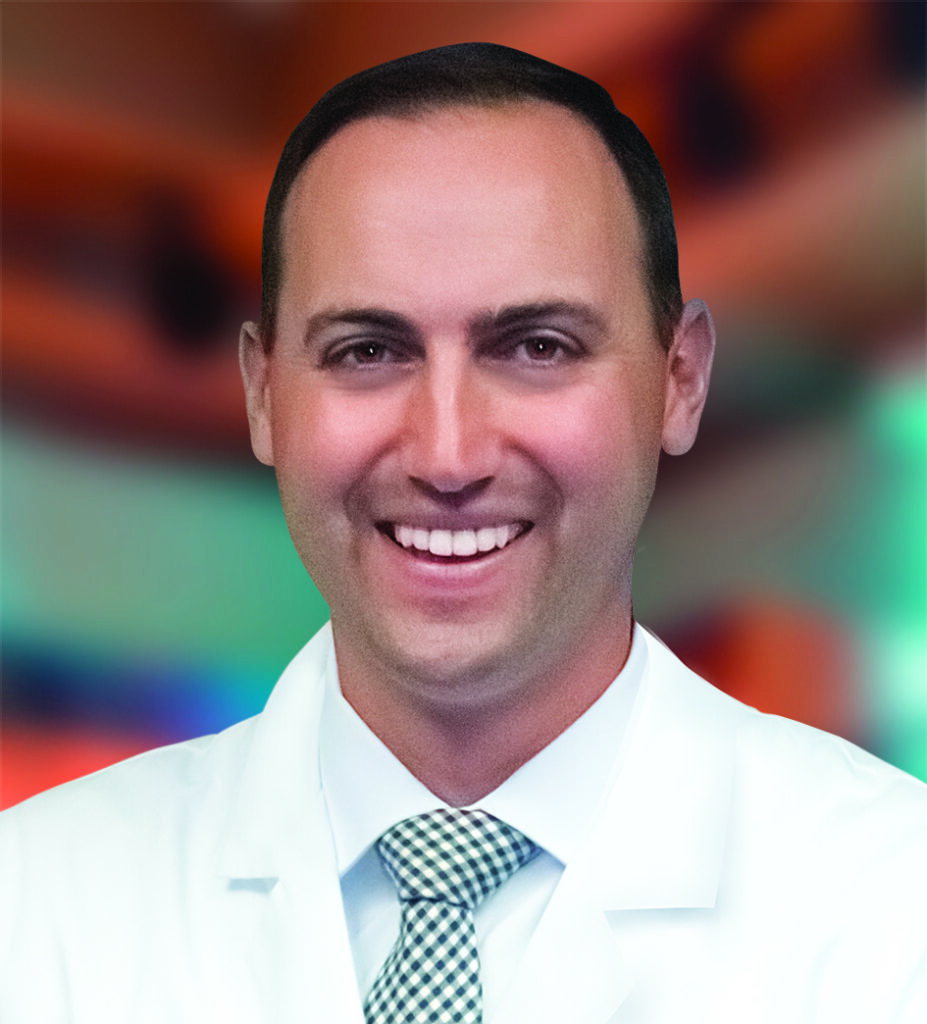
Marshall Hill, D.O.
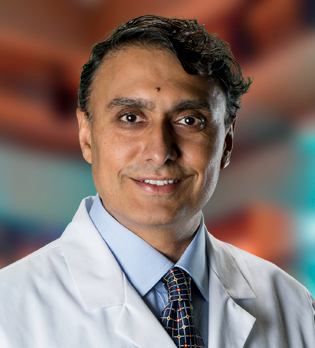
Ravi K. Reddy, M.D., F.A.C.S
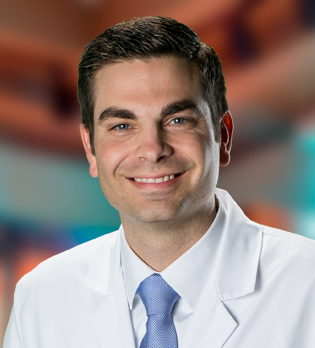
Raymond B. Theodosis, M.D.

Robert B. Taylor III, M.D., F.A.C.S
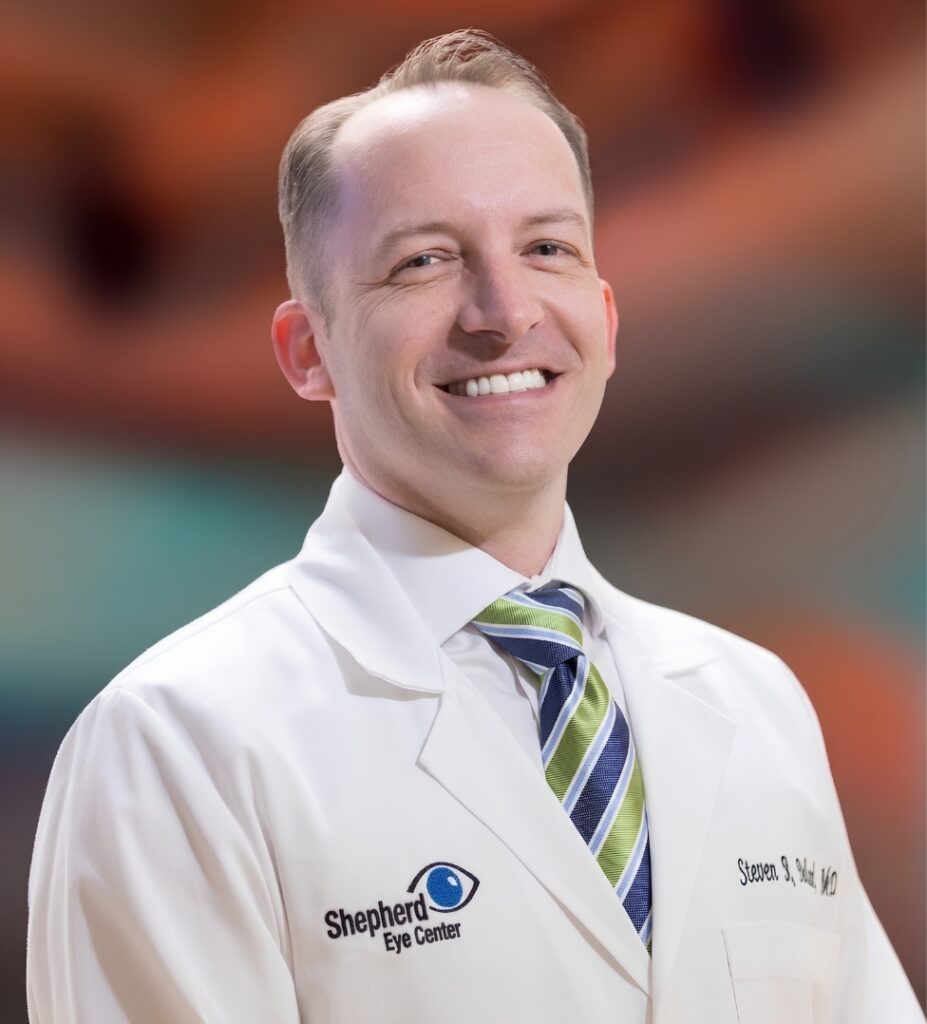
Steven R. Ballard, M.D.

Tushina A. Reddy, M.D.
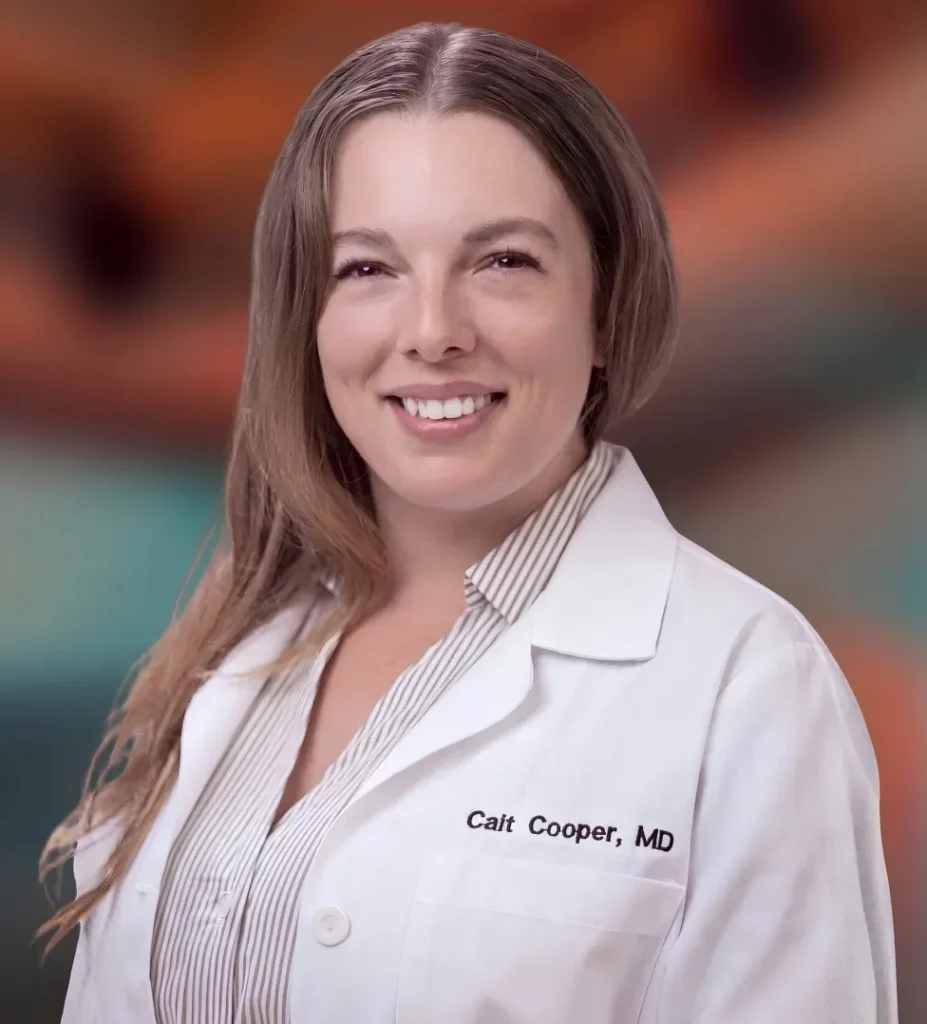
Caitlynn Cooper, M.D.
Top Rated Eye Care in Southern Nevada
Patient Testimonials
Featured News & Insights in Eye Care

Are Over-the-Counter Eye Drops Enough for Dry Eye?
Read Article
How To Lower Your Risk During Glaucoma Awareness Month
Read Article