
Shepherd Eye Center
Glaucoma Care in Las Vegas & Henderson
Glaucoma is a leading cause of blindness in the United States, but vision loss from the disease is preventable with early detection and treatment. Our ophthalmologists offer a full range of options to protect your optic nerve and your sight.
- Early detection is the key to preventing permanent vision loss
- Treatment options ranging from eye drops to minimally-invasive iStent surgery
- iStent, a minimally invasive, no-stitch surgical option for open-angle glaucoma
Risk Factors
Am I At Risk for Glaucoma?
Chronic glaucoma often damages vision so gradually and painlessly that you won't notice trouble until real damage has occurred, which is why understanding your risk factors matters.
Age
Risk increases as you get older, with more frequent screening recommended starting around age 40.
Family History
Having a family member with glaucoma raises your risk and can call for more frequent exams.
Nearsightedness
Significant myopia is linked to a higher risk of developing glaucoma.
African Ancestry
Glaucoma occurs more frequently in people of African and Asian ancestry, and can progress more severely.
When to Seek Immediate Care: Acute angle-closure glaucoma is a medical emergency. Call us right away at (702) 731-2088 if you have blurred vision, severe eye pain, headache, rainbow halos around lights, or nausea and vomiting. Unless treated quickly, this type of glaucoma can lead to blindness.
About the Condition
What Is Glaucoma?
Glaucoma is a disease of the optic nerve, the nerve that carries the images you see to your brain. It’s closely tied to pressure inside the eye: a clear fluid called the aqueous humor constantly flows in and out of the eye, and if the eye’s drainage angle becomes blocked, that fluid builds up, increasing pressure and risking damage to the optic nerve.
Think of the optic nerve like an electrical cable made up of countless individual wires. Glaucoma can damage those nerve fibers one section at a time, creating blind spots that often go unnoticed until significant damage has already occurred. If the entire nerve is destroyed, blindness results. Early detection and treatment are the best defense against permanent vision loss.

Your Options
Choose the Right Treatment Path
Glaucoma damage can't be reversed, so treatment focuses on preventing or slowing further loss. Your ophthalmologist will recommend the least invasive option that can still protect your vision.
First-Line Treatment
Medication
- Eye drops, sometimes combined with pills, taken regularly
- Works by slowing fluid production or improving drainage
- Must be taken consistently and continuously to be effective
- Can have side effects, so any changes should go through your ophthalmologist first
For Advancing Cases
Laser & Surgical Treatment
- Laser trabeculoplasty enlarges the eye's drain in open-angle glaucoma
- Laser iridotomy creates a small opening to improve fluid flow in angle-closure glaucoma
- Operative surgery creates a new drainage channel when other options aren't enough
- iStent, a minimally invasive, no-stitch device, is available for open-angle glaucoma
Serious complications from modern glaucoma surgery are rare, and your doctor will only recommend surgery when it's safer than allowing optic nerve damage to continue. Learn more about glaucoma treatment options, iStent treatment for glaucoma, the types of glaucoma, or meet our glaucoma specialists.
The Process
Your Glaucoma Care Journey
Since glaucoma is a chronic condition, care is ongoing rather than a single procedure.
Detection & Diagnosis
- Tonometry to measure eye pressure
- Gonioscopy to inspect the eye's drainage angle
- Ophthalmoscopy to evaluate the optic nerve
- Perimetry to test the visual field of each eye
Starting Treatment
- Eye drops or pills typically tried first
- Regular use required for treatment to work
- Any side effects reported to your ophthalmologist right away
Escalating Care if Needed
- Laser treatment considered if medication isn't enough on its own
- iStent or other surgical options considered for continued progression
- Your doctor will recommend surgery only when it's the safer option
Long-Term Monitoring
- Every 3 to 5 years if you're 40 or older with no other risk factors
- Every 1 to 2 years if you have a family history, African ancestry, a past eye injury, or take steroid medications
- Regular exams remain important indefinitely, since glaucoma can worsen without noticeable symptoms
Results
Managing Glaucoma Long-Term
Damage from glaucoma can't be reversed, which is why the goal of treatment is protecting the vision you have.
Slowed Progression
Eye drops, pills, laser treatment, and surgery are all used to prevent or slow further optic nerve damage.
Minimally-Invasive Options
iStent offers a no-stitch surgical approach with quick post-operative recovery and minimal scarring.
Protecting What Remains
Since damage already done cannot be reversed, protecting your current vision is the priority of every treatment plan.
A Team Effort
Your ophthalmologist prescribes treatment, but consistent use of drops or medication is what makes it effective.
Your Role in Treatment
- Take eye drops or pills exactly as prescribed, consistently and continuously
- Tell all of your doctors about the eye medications you're using
- Never stop or change your glaucoma medication without consulting your ophthalmologist first
- Keep up with regular exams, since glaucoma can worsen without you noticing
Informed Care
Safety & Risk Considerations
Every glaucoma treatment, from eye drops to surgery, comes with its own safety profile worth understanding.
Medication Side Effects
- Eye drops: stinging, red eyes, blurred vision, headaches, or changes in pulse and heartbeat
- Pills: tingling in fingers or toes, drowsiness, loss of appetite, bowel irregularities, kidney stones, or easy bleeding
- Any suspected side effects should be reported to your ophthalmologist right away
Surgical Considerations
- Serious complications from modern glaucoma surgery are rare, but as with any surgery, they can occur
- Surgery is recommended only when it's safer than allowing optic nerve damage to continue
- iStent offers a no-stitch approach with quick recovery and minimal scarring
- Regular follow-up exams remain necessary after any treatment
Our Team
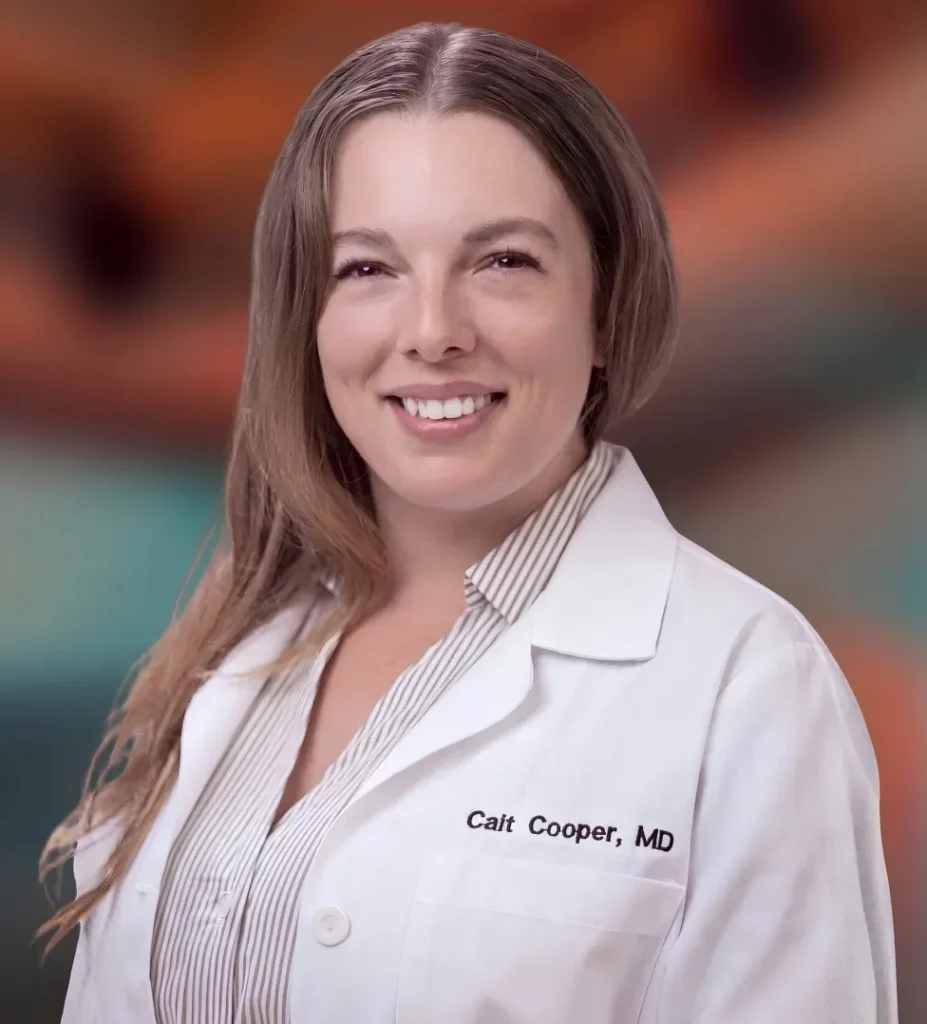
Meet Our Glaucoma Specialists
Our mission is to provide the highest quality eye care for you and your family, with an emphasis on personalized service.












Glaucoma
Frequently Asked Questions
What is glaucoma?
Glaucoma is a disease of the optic nerve, often linked to elevated pressure inside the eye. It can create blind spots that go unnoticed until significant damage has occurred, which is why early detection matters so much.
What causes glaucoma?
The eye constantly produces a clear fluid called the aqueous humor, which normally drains out through the eye’s drainage angle. When that angle is blocked, fluid builds up and pressure increases, which can damage the optic nerve over time.
Who is at risk for glaucoma?
Risk increases with age, family history, nearsightedness, African or Asian ancestry, past eye injuries, and a history of severe anemia or shock. Having a risk factor doesn’t mean you have the disease, but it may mean closer monitoring is worthwhile.
How is glaucoma detected?
A complete, painless eye exam can detect glaucoma. It typically includes tonometry to check eye pressure, gonioscopy to inspect the drainage angle, ophthalmoscopy to evaluate the optic nerve, and perimetry to test your visual field.
How is glaucoma treated?
Glaucoma damage can’t be reversed, so treatment focuses on preventing further loss. Options include eye drops, pills, laser treatment, and surgery, including iStent, a minimally invasive device.
What is the iStent, and how is it different from traditional surgery?
The iStent is a tiny device inserted into the eye’s natural drainage system to improve fluid outflow and lower eye pressure. It offers a no-stitch surgical approach with quick recovery and minimal scarring.
What's my role in managing glaucoma?
Consistency matters most. Take your eye drops or medication exactly as prescribed, tell all your doctors what you’re using, never change your treatment without consulting your ophthalmologist, and keep up with regular exams, since glaucoma can progress without obvious symptoms.
Ready to Get Started?
Schedule A Consultation
If you're ready to experience exceptional eye care, contact us today to schedule your evaluation at any of our Southern Nevada locations.