
Shepherd Eye Center
Dry Eye Treatment in Las Vegas & Henderson
Dry eye develops when your eyes don’t produce enough tears to stay comfortable, causing stinging, burning, or irritation. Our team offers treatments to relieve your symptoms and address underlying causes like blepharitis.
- In-office evaluation to find the cause of your dry eye
- Treatment options from artificial tears to BlephEx and tear duct closure
- Relief that addresses both symptoms and underlying causes
Symptoms
What Are the Symptoms of Dry Eye
Symptoms can be easy to dismiss at first. If any of these sound familiar, it may be worth an evaluation.
Stinging or Burning
A scratchy or burning sensation in one or both eyes.
Scratchiness
A scratchy feeling, especially on waking
Stringy Mucus
Stringy mucus in or around the eyes
Irritation From Smoke or Wind
Eyes that get irritated in smoke or wind
Excess Tearing
Eyes that water a lot, even though they're dry
Difficulty Wearing Contacts
Contact lenses that are uncomfortable to wear
When to get evaluated: Occasional dryness usually isn’t a concern, but routinely experiencing red, irritated, or tired eyes is worth discussing with your doctor. An evaluation can identify whether an underlying cause is contributing to your symptoms.
Excess tearing sounds illogical, but when the tears that keep your eyes lubricated aren’t enough, the eye becomes irritated and produces a large volume of tears that overflows.
About the Condition
What is Dry Eye?
Dry Eye Syndrome develops when your eyes don’t produce or retain enough tears to stay properly lubricated. Causes range from dusty or windy environments and cigarette smoke to extended contact lens wear, aging, and certain medications.
Tear production normally decreases with age. Dry eye can affect men and women at any age, but women are most often affected, especially after menopause. It can also be associated with arthritis, and with Sjögren’s syndrome, which includes dry eyes, dry mouth, and arthritis. Many common medications can reduce tear production, including diuretics, beta blockers, antihistamines, sleeping pills, medications for “nerves,” and pain relievers. Tell your ophthalmologist about every medication you take.
Identifying which type you have helps determine the most effective treatment path.
Your Options
Choose the Right Treatment for Your Eyes
Treatment depends on how your symptoms respond to simpler options first.
First-Line Treatment
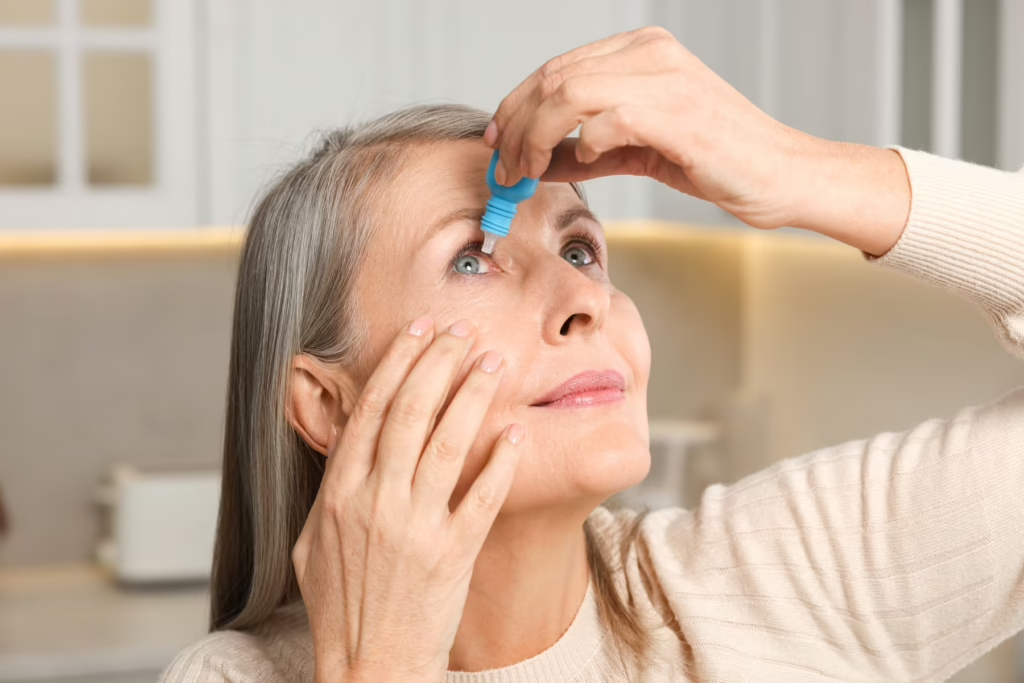
Artificial Tears & Home Care
- Artificial tears, similar to your own tears, available without a prescription
- Preservative-free drops if you're sensitive to preservatives or use tears more than every two hours
- Ointment at bedtime for scratchy eyes on waking (it can blur vision temporarily)
- A humidifier in winter, and avoiding wind, smoke, and hair dryers
In-Office Treatment
BlephEx & Tear Duct Closure
- BlephEx is an in-office eyelid cleaning for blepharitis that takes 6 to 8 minutes, with no downtime
- BlephEx treatments may be repeated every four to six months
- Tear ducts can be closed temporarily or permanently to conserve your own tears
- Closure makes artificial tears last longer
Our team will evaluate your eyes, medical history, and lifestyle to help determine the underlying cause and recommend the most effective treatment.
The Process
Your Dry Eye Journey
Getting Relief From Dry Eye
Evaluation Appointment
- Eye exam to diagnose dry eye
- Tear production tests if needed, such as the Schirmer test or a diagnostic drop
- Review of all your medications and other possible causes
Starting Treatment
- Eye drops or medication typically tried first
- Contact lens changes if lenses are contributing
- Underlying causes addressed alongside symptom relief
Escalating Care if Needed
- Punctal plugs considered if drops aren't enough
- Temporary plugs used first in some cases to test the approach
- Semi-permanent plugs available for longer-term relief
Ongoing Management
- Periodic follow-up to monitor symptoms
- Treatment adjusted as needed over time
- Preventive steps to reduce exposure to known triggers
Our Team
Meet Our Dry Eye Specialists
Our mission is to provide the highest quality eye care for you and your family, with an emphasis on personalized service.
Dry Eye
Frequently Asked Questions
What causes Dry Eye Syndrome?
Common causes include dusty or windy environments, cigarette smoke, extended contact lens wear, the natural aging process, and certain medications, all of which can reduce the tears your eyes produce.
What's the difference between the two types of dry eye?
Aqueous-Deficient Dry Eye happens when the eyes don’t produce enough of the watery component of tears. Evaporative Dry Eye, which is more common, occurs when the oil glands that keep tears from evaporating too quickly aren’t functioning properly.
When should I see a doctor about dry eye?
Occasional dryness is common and usually not a concern. Routinely experiencing red, irritated, or tired eyes is a better signal that it’s time for an evaluation.
Ready to Get Started?
Schedule A Consultation
If you're ready to experience exceptional eye care, contact us today to schedule your evaluation at any of our Southern Nevada locations.