
Shepherd Eye Center
Cataract Surgery in Las Vegas & Henderson
Shepherd Eye Center has been providing cataract surgery in Las Vegas since 1968, and our “no-shot, no-stitch, no-patch” procedure has helped thousands of patients regain clear vision.
- Board-certified ophthalmologists, including fellowship-trained surgeons
- State-of-the-art phacoemulsification and laser-assisted technology
- Widest selection of premium lens implants in Las Vegas
- 5 convenient locations serving Las Vegas and Henderson
Symptoms
Am I Experiencing Cataract Symptoms?
Cataracts are a normal part of aging, and early changes may not affect your vision right away. Here's what to watch for as they progress.
Blurred or Double Vision
Vision that looks cloudy, fuzzy, or doubled, sometimes described as looking through a waterfall or wax paper.
Halos Around Bright Lights
Glare or halos that make night driving more difficult.
Difficulty Distinguishing Colors
Colors that appear duller or harder to tell apart.
Frequent Prescription Changes
Needing new glasses more often than usual, or still struggling to read clearly with your current pair.
What Causes Cataracts? Cataracts are most often linked to age, but eye trauma, diabetes, long-term steroid use, smoking, and glaucoma can all contribute. Most people will develop cataracts if they live long enough, and currently there’s no treatment that can reverse or prevent them once they form.
About the Procedure
What is Cataract Surgery?
Cataract surgery removes the eye’s clouded natural lens and replaces it with a clear artificial one, called an intraocular lens (IOL). It’s one of the safest and most successful procedures in medicine today, and the most common surgery performed on Americans over 65.
Surgery begins with a microscopic corneal incision. A small probe is inserted through it, and the cataract is broken up and gently suctioned out using ultrasonic vibrations, a process called phacoemulsification. Once the clouded lens is removed, a foldable acrylic IOL is implanted in its place. Because the incision is so small, it seals itself naturally, supporting fast, comfortable healing.
Thanks to modern technique, cataract surgery has evolved into a “no-shot, no-stitch, no-patch” procedure. Most patients are awake and alert throughout, with no large injections required. While you’ll typically spend about two hours at the surgery center, the surgery itself takes only 10 to 15 minutes.

Your Options
Choose the Right Lens for Your Lifestyle
When your cataract is removed, it's replaced with an artificial lens. Your choice affects how much you'll rely on glasses afterward.
Premium Option
Multifocal, Extended Range & Toric Lenses
- Multifocal lenses provide two points of focus instead of one
- Extended range of vision lenses improve clarity from near to far
- Toric lenses correct moderate to high astigmatism
- Not covered by insurance; cost is discussed at your preoperative visit
Standard Option
Monofocal Lens
- Covered by most insurance plans, including Medicare
- Focuses clearly at one distance, typically far vision
- Glasses will likely still be needed for near and intermediate vision
- A reliable, well-established choice
Not everyone is a good candidate for every lens type. Our doctors will help you choose the option that fits your eyes and your lifestyle. Learn more about premium lens implants, the Tecnis Symfony extended range of vision lens, the Light Adjustable Lens, and astigmatism correction.
The Process
Your Cataract Surgery Journey
From diagnosis to a whole new perspective, here's what to expect.
Diagnosis
- Visual acuity test to assess overall vision quality
- Dilated eye exam to check the retina, optic nerve, and lens
- Review of lens options and costs
- Tonometry to check eye pressure
Preparing for Surgery
- Preoperative appointment to measure your eye for lens power (A-scan)
- Surgery date scheduled with a surgery coordinator
- Prescription eye drops ordered for before and after surgery
Surgery Day
- "No-shot, no-stitch, no-patch" outpatient procedure
- Cataract removed using gentle ultrasonic vibrations (phacoemulsification)
- New intraocular lens (IOL) implanted through the same small incision
- Surgery itself takes 10–15 minutes, with about two hours total at the center
Recovery & Long-Term Results
- Many patients see well enough to drive again within a day
- Light activities like TV and reading often resume the same day
- Full return to work and normal routines typically within a week
Results
Expected Outcomes & Recovery
Cataract surgery is one of the safest and most successful procedures in medicine today.
Quick Procedure
Surgery itself takes just 10–15 minutes, performed as a comfortable outpatient visit.
Fast Visual Recovery
Many patients see well enough to drive again as soon as the day after surgery.
Return to Activities
Light activities often resume the same day, with a full return to work and routines within about a week.
A New Perspective
Colors often appear more vibrant and vision more in focus, sometimes for the first time in years.
Setting Realistic Expectations
- Cataract surgery reduces impaired vision and may reduce your need for glasses, but it isn't guaranteed to eliminate that need entirely
- A monofocal lens will still typically require glasses for near and intermediate vision
- Premium lens options can further reduce glasses dependence, though they're an out-of-pocket cost
- Your doctor will answer all your questions before you move forward with surgery
Informed Care
Safety & Risk Considerations
Cataract surgery is the most common surgery performed on Americans over 65, and one of the safest procedures in medicine today.
Safety Profile
- Board-certified, fellowship-trained surgeons with over 15,000 cataract surgeries performed
- Pioneers of the "no-shot, no-stitch, no-patch" technique in Nevada
- Small, self-sealing incision supports fast, comfortable healing
- Outpatient procedure, no hospital stay required
Things to Consider
- There's currently no way to reverse or prevent cataracts other than surgery
- Not every patient is a candidate for multifocal lens implants
- Premium lens upgrades (multifocal, extended range, Toric) are an out-of-pocket cost
- Results improve vision but can't guarantee complete independence from glasses
- As with any surgery, cataract surgery carries risks, including infection, inflammation, and, rarely, retinal detachment. Your doctor will review them with you before surgery.
Our Team
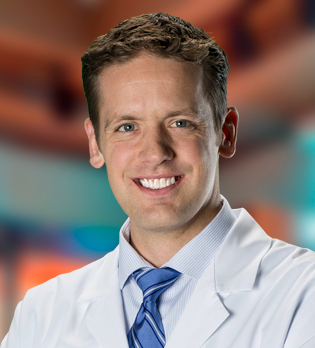
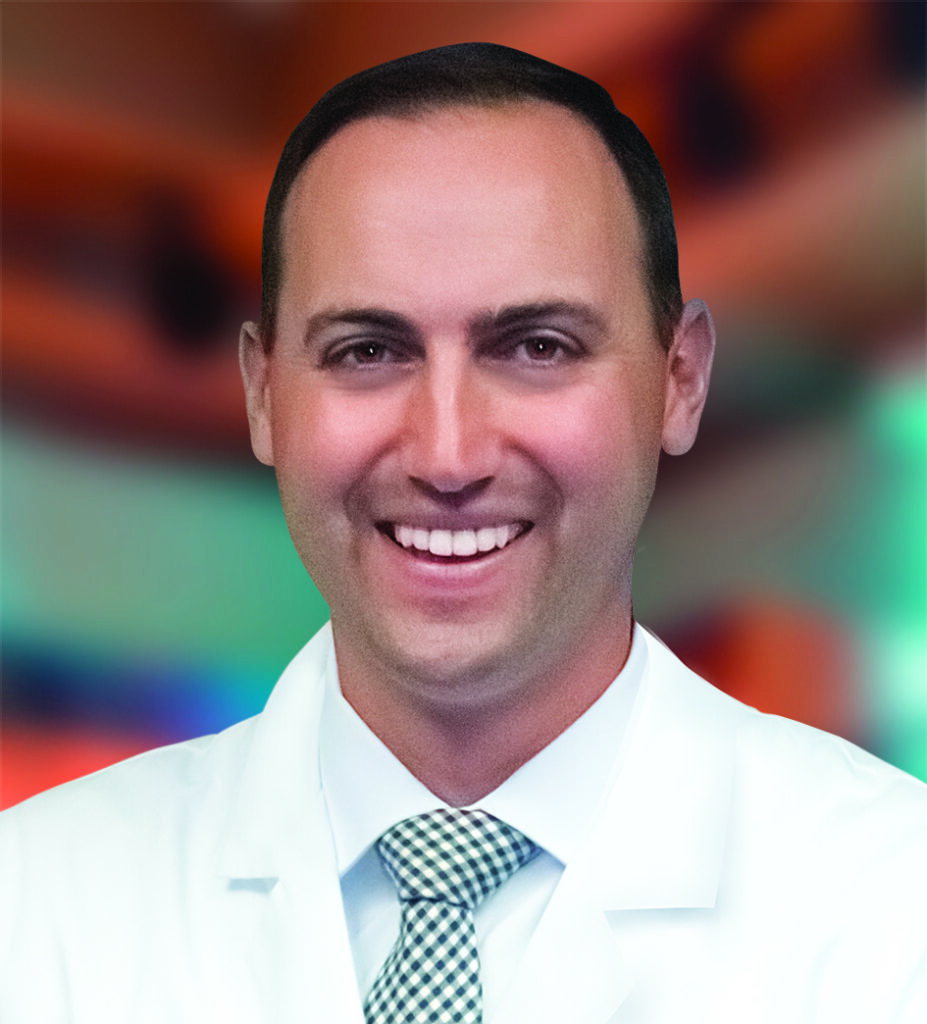
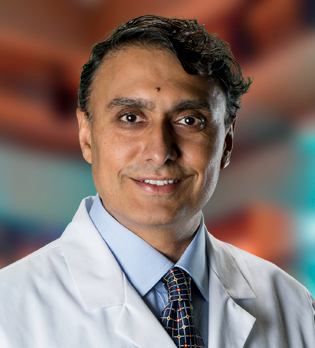
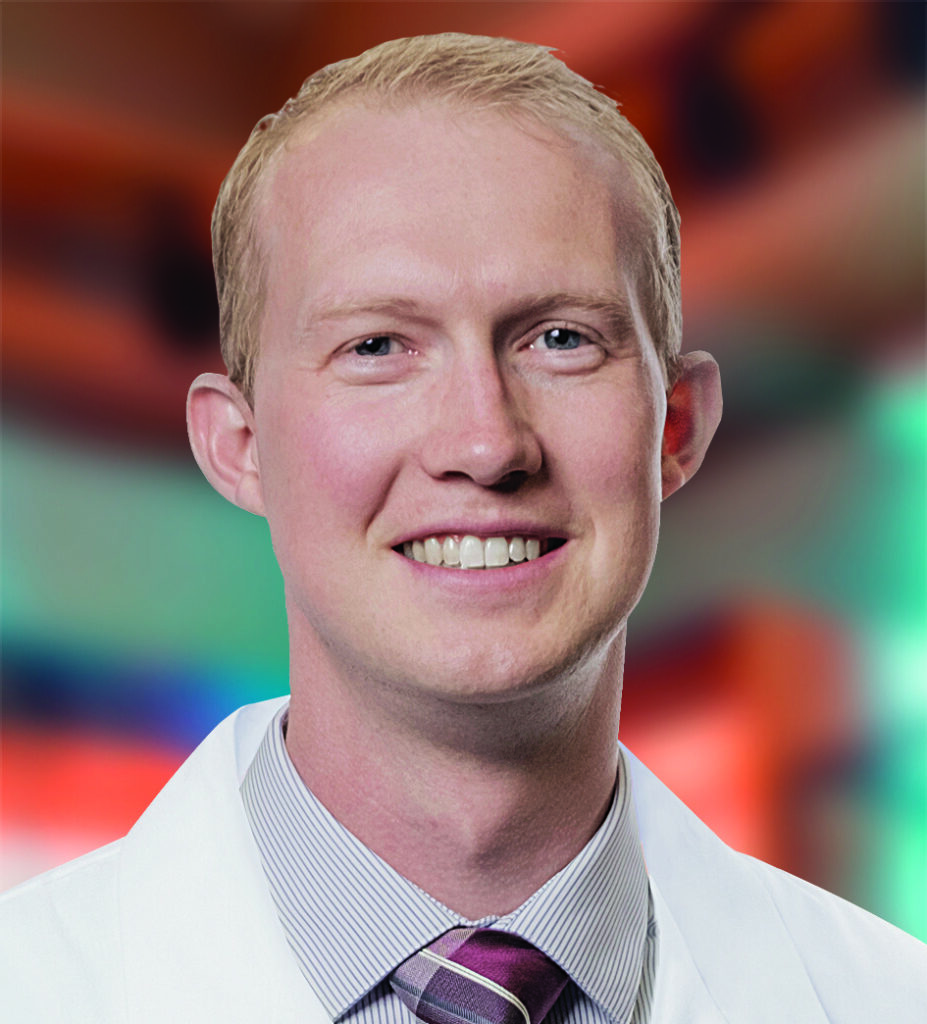
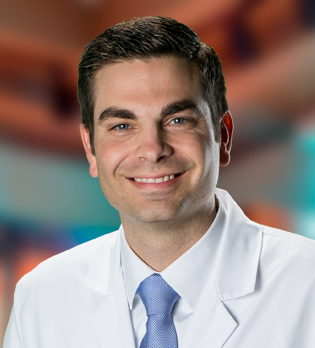
Meet Our Cataract Surgery Specialists
Our mission is to provide the highest quality eye care for you and your family, with an emphasis on personalized service.



Cataract Surgery
Frequently Asked Questions
How can I tell if I have cataracts?
Early cataracts may not affect your vision noticeably, but over time they can cause blurred vision, difficulty reading, and trouble driving at night due to glare and light sensitivity. Some patients describe it as looking through a waterfall or wax paper.
What causes cataracts, and can they be prevented?
Cataracts are most commonly linked to age, but eye trauma, diabetes, long-term steroid use, smoking, and glaucoma can all play a role. There’s currently no way to reverse or prevent them once they form, so surgery is the only path back to clear vision.
What is cataract surgery actually like?
Modern cataract surgery is an outpatient procedure using our “no-shot, no-stitch, no-patch” technique. Most patients are awake and alert, and the surgery itself takes just 10 to 15 minutes, though you’ll spend about two hours at the surgery center total.
What are my options for a replacement lens?
Most insurance plans, including Medicare, cover a standard monofocal lens, which focuses clearly at one distance. Multifocal, extended range of vision, and Toric lenses can further reduce your dependence on glasses or correct astigmatism, though these premium options are an out-of-pocket expense.
Will I still need glasses after cataract surgery?
It depends on the lens you choose. A monofocal lens will typically still require glasses for near and intermediate vision, while premium lens options can reduce that dependence. Your doctor cannot guarantee you’ll never need glasses again, but can help set realistic expectations for your specific case.
How long is recovery after cataract surgery?
Many patients see well enough to drive again the day after surgery and can resume light activities like TV and reading right away. A full return to work and normal routines is typical within about a week.
Ready to Get Started?
Schedule A Consultation
If you're ready to experience exceptional eye care, contact us today to schedule your evaluation at any of our Southern Nevada locations.