Shepherd Eye Center
LASIK Eye Surgery in Las Vegas & Henderson
Imagine waking up with crystal-clear vision, no glasses, no contact lens hassle, no limitations on your active Las Vegas lifestyle. Our fellowship-trained surgeons use the safest, most advanced LASIK technology available.
- About 95% of patients need only a single treatment
- Blade-free, wavefront-guided technology
- Same-day consultations available
- 5 convenient Las Vegas Valley locations
Candidacy
Am I a Good LASIK Candidate?
Most people are surprised to learn they're excellent candidates for LASIK.
Age 18+ With Stable Vision
Your prescription should be stable, with healthy corneas free of disease.
Tired of Glasses & Contacts
If daily lens care or foggy glasses are getting in the way, LASIK may be a fit.
An Active Lifestyle
Sports, swimming, and travel are all easier without corrective lenses to worry about.
Demanding Work Environments
Hospitality, entertainment, and outdoor professions often benefit most from glasses-free vision.
Not Everyone Is a LASIK Candidate, and That’s Okay: Conditions like keratoconus, cataracts, certain types of glaucoma, some medical conditions, and pregnancy can rule out LASIK. If that’s the case for you, alternatives like EVO ICL, PRK, and Clear Lens Exchange may still get you to glasses-free vision. A comprehensive evaluation will determine your best option.
About the Procedure
How Is LASIK Performed?
LASIK is a painless, outpatient procedure performed with topical anesthesia; eye drops numb the eye, though not the eyelids, which are held open with a small instrument to prevent blinking. A suction ring creates brief pressure and dims your vision for a few seconds while a precision instrument creates a thin corneal flap in under 15 seconds.
Once the flap is lifted, an excimer laser reshapes the corneal surface beneath it, correcting nearsightedness, farsightedness, or astigmatism. The flap is then repositioned without any need for sutures, since the cornea heals quickly on its own. A protective eye shield is worn for the first 12 to 24 hours, and again while sleeping for the following three to four nights.

Your Options
Choose the Right Vision Correction Path
LASIK works well for most patients, but it isn't the only path to glasses-free vision.
Most Common Option
LASIK
- Blade-free flap creation and wavefront-guided precision
- Corrects nearsightedness, farsightedness, and astigmatism
- No sutures needed, thanks to the cornea's rapid healing
- Same-day outpatient procedure
Alternative Procedures
If You're Not a LASIK Candidate
- EVO ICL for high prescriptions or thin corneas
- PRK for thin corneas or patients prone to dry eye
- Clear Lens Exchange for presbyopia or very high prescriptions
- Monovision, an approach some LASIK patients use to reduce dependency on reading glasses
A comprehensive evaluation will confirm which option, LASIK or an alternative, is the safest and most effective path for your eyes. Learn more about blade-free LASIK, wavefront LASIK, monovision, PRK, EVO ICL, Clear Lens Exchange, or meet our refractive surgeon, or take the vision correction self-test.
The Process
Your LASIK Journey
From your first consultation to your final results, here's what to expect.
Consultation & Candidacy
- Comprehensive eye exam to check refraction stability and corneal health
- Discussion of your lifestyle and vision goals
- Alternative procedures discussed if LASIK isn't the right fit
Surgery Day
- Topical anesthesia numbs the eye, and a sedative is given to help you relax
- Corneal flap created in under 15 seconds
- Excimer laser reshapes the cornea in seconds
- Flap repositioned without sutures
Initial Recovery
- Vision is blurry at first, often described as looking underwater
- Protective eye shield worn for the first 12 to 24 hours, and during sleep for 3 to 4 nights
- Most patients see dramatic improvement after a night's rest
- Antibiotic, steroid, and lubricating drops used over the following days
Follow-Up & Enhancement
- Follow-up visits at 1 day, 1 month, and 3 months
- Full visual results typically evaluated at the 3-month mark
- Fewer than 5% of patients need an enhancement for residual correction
- Enhancements are easier than the original procedure, since the existing flap can simply be lifted
Results
Expected Outcomes & Recovery
Most patients see 20/40 vision or better right away, and many notice a dramatic improvement after one night's rest.
High Success Rate
About 95% of patients need only one treatment. Most see 20/40 vision or better right away.
Fast Initial Recovery
Many patients notice dramatic improvement in their vision after just one night's rest.
Long-Term Value
Most patients find LASIK pays for itself within 2 to 3 years compared to the ongoing cost of glasses and contacts.
A Safety Net, If Needed
Fewer than 5% of patients need an enhancement, and when they do, it's a simpler procedure than the original surgery.
What to Expect After LASIK
- Vision is blurry on day one, often compared to looking underwater
- Mild swelling is normal as the repositioned flap settles into place
- A sedative is typically given, so plan for a ride home
- Antibiotic and steroid drops are used for the first few days, with lubricating drops as needed
- Fluctuating vision and dry eye are common for several weeks as healing continues
Informed Care
Safety & Risk Considerations
LASIK is safe and effective for most candidates, with a few things worth understanding beforehand.
Safety Profile
- Painless outpatient procedure using topical anesthesia
- Blade-free flap creation with wavefront-guided precision
- No sutures needed, thanks to the cornea's rapid healing
Possible Side Effects
- Dry eye is nearly universal for the first 2 to 4 weeks, since corneal nerves take 3 to 6 months to fully regrow
- Vision can fluctuate during the healing process
- A small percentage of patients need an enhancement for residual astigmatism or minor over/under-correction
- LASIK cannot correct presbyopia, the natural decline in near vision that begins around age 40
Our Team
Meet Our LASIK Specialists
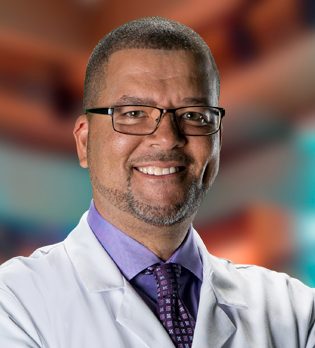
Our mission is to provide the highest quality eye care for you and your family, with an emphasis on personalized service.
LASIK
Frequently Asked Questions
How successful is LASIK?
Most patients see 20/40 vision or better immediately and can pass a driver’s license vision test without glasses or contacts. About 95% of patients achieve their desired outcome with a single treatment; fewer than 5% need a touch-up for residual astigmatism or a slight over- or under-correction.
Am I a good candidate for LASIK?
Ideal candidates are 18 or older with stable vision and healthy corneas. Certain conditions, like keratoconus, cataracts, some types of glaucoma, and pregnancy, can affect candidacy. If LASIK isn’t right for you, alternatives include EVO ICL, PRK, and Clear Lens Exchange.
What can I expect after LASIK?
Vision is blurry at first, often compared to looking underwater, due to mild swelling and protective eye shields. Most patients notice a dramatic improvement after a night’s rest, followed by a few days of antibiotic and steroid drops and lubricating drops as needed.
What does LASIK cost?
Cost varies by prescription and treatment plan. Many patients find LASIK pays for itself within 2 to 3 years compared to the ongoing cost of glasses, contacts, and related supplies. Financing options, including 0% interest plans for qualified patients and HSA/FSA acceptance, are available.
What about dry eyes after LASIK?
Some degree of dry eye is expected after LASIK, since the flap-creation process temporarily affects the cornea’s nerve supply. It typically takes 3 to 6 months for those nerves to fully regrow, with symptoms usually most noticeable in the first 2 to 4 weeks. Artificial tears manage most cases, though additional options exist for more persistent symptoms.
How do I know if I need an enhancement?
Vision is reevaluated at follow-up visits, typically starting around the 3-month mark once healing has stabilized. If residual astigmatism or a minor over- or under-correction remains, an enhancement may be recommended. This is usually simpler than the original surgery, since the existing corneal flap can often just be lifted rather than recreated.
Ready to Get Started?
Schedule A Consultation
If you're ready to experience exceptional eye care, contact us today to schedule your evaluation at any of our Southern Nevada locations.